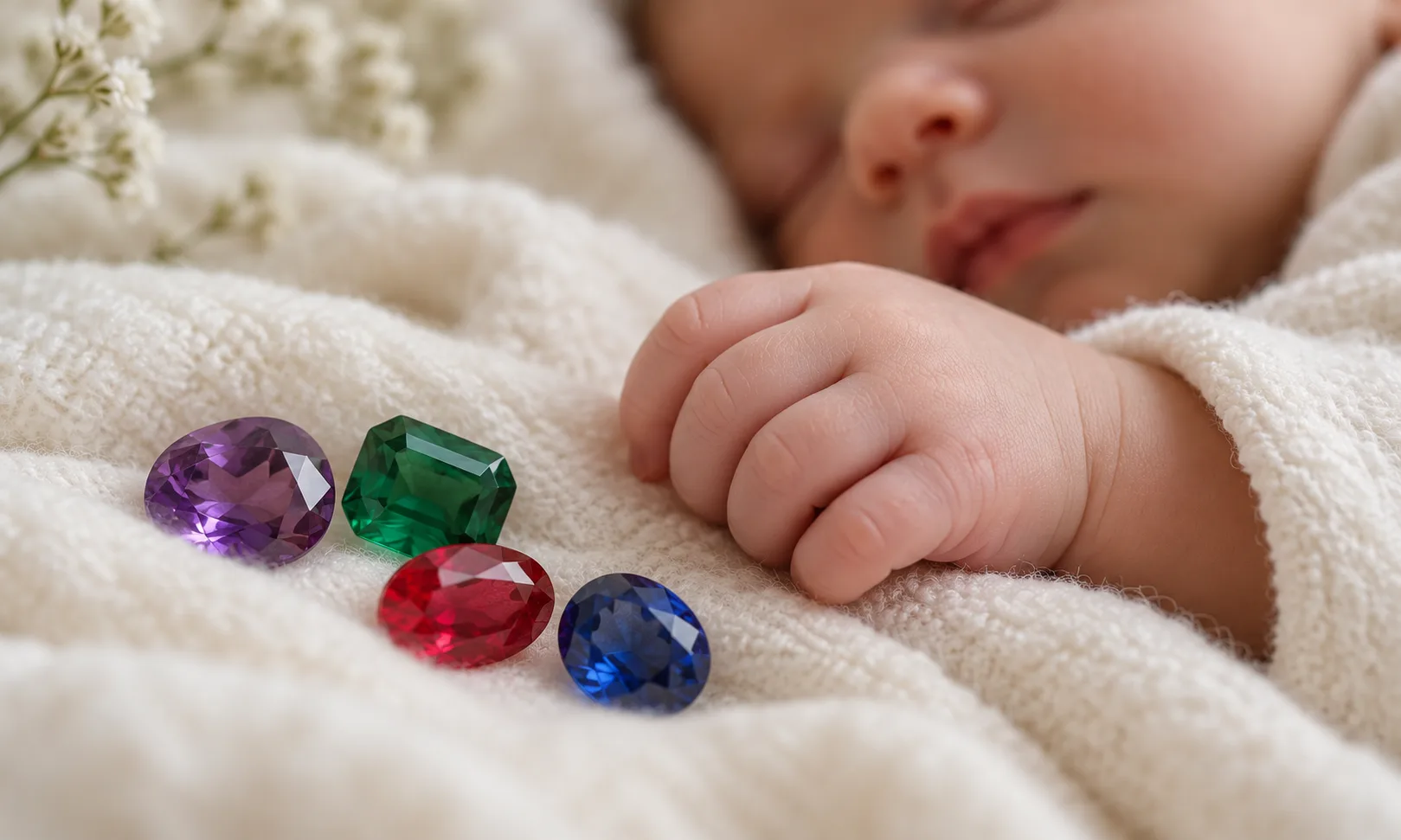
Gemstone Baby Names: Birthstone and Jewel Names for Girls and Boys
Gemstone baby names for girls and boys, from Ruby and Opal to Jasper and Onyx. Discover birthstone names for every month and jewel names from around the world.

50 nature-inspired baby names from flowers, trees, celestial bodies, and earth. Meaningful origins and expert guidance for finding the perfect name.
When my friend Sarah told me she'd named her daughter Wren, I'll admit I was surprised. Not because it was unusual (though it certainly wasn't common where we lived) but because it felt so perfectly her. Sarah, who spent every weekend hiking and could identify bird calls from half a mile away, had given her baby a name that meant something real to their family.
That's the thing about nature-inspired names. They're not just pretty words. Each one carries a piece of the world we live in, connecting your child to something bigger than themselves, whether that's the strength of an ancient oak, the freedom of a wide-open sky, or the quiet beauty of a woodland flower.
Over the past decade, I've watched botanical names, celestial choices, and earth-inspired options move from the alternative fringe into mainstream baby name lists. Luna ranks consistently in the top 20 for girls across English-speaking countries. River has become genuinely unisex. And names like Hazel and Ivy, worn by our great-grandmothers, have found new life with modern parents.
But here's what most baby name lists won't tell you: not all nature names are created equal. Some carry baggage you might not expect. Others work brilliantly in one country but sound odd in another. And a significant number of the names flooding "unique baby name" roundups simply won't age well.
This guide is different. Instead of drowning you in 100+ options, I've curated roughly 50 nature-inspired names that actually work: the ones parents love, children grow into comfortably, and that carry genuine meaning rather than just trendy appeal.
The surge in botanical baby names and earth-connected choices isn't random. Three distinct forces are driving this trend:
Environmental consciousness has become personal. Today's parents grew up with climate change as reality, not debate. Choosing a nature name isn't political. It's simply naming your child after something you value and want to protect.
Traditional gender boundaries are shifting. Nature provides hundreds of genuinely unisex options. River, Sage, and Phoenix work for any child, giving families flexibility that traditional name categories never offered.
Authenticity matters more than uniqueness. Parents increasingly want names with substance. A name that means "oak tree" or "northern lights" offers built-in meaning without feeling manufactured or trendy.
There's also a practical element: many nature names travel remarkably well across cultures. Rose works in England, France, and the United States. Luna functions in Spanish, Italian, and English. For increasingly global families, that linguistic flexibility matters.
Flower names have ornamented birth certificates for centuries, but they're far from old-fashioned. Each generation seems to rediscover them, finding fresh appeal in their natural beauty.
These three have never really left. Rose might be the most resilient name in English. It's been in continuous use since at least the 12th century and shows zero signs of fading. Straightforward, elegant, impossible to mispronounce, it works equally well as a first name or middle name. The symbolism (love, beauty) doesn't hurt either.
Lily carries similar staying power but with a softer sound. From the Latin lilium, it's been associated with purity and renewal across Christian tradition. Modern parents tend to choose it simply because it sounds lovely, and because, unlike many floral names, it doesn't feel precious or overwrought.
Violet has had a more interesting journey. Hugely popular in the early 1900s, it nearly disappeared by the 1970s, then roared back around 2010. Today's Violets inherit a name with genuine vintage credentials (not vintage-inspired, actually old), along with purple blooms and a streak of quiet independence.
Poppy divides opinion, and not randomly. In the UK, it ranks consistently in the top 20 for girls, largely because poppies symbolize remembrance of fallen soldiers. British parents grow up with poppies as part of cultural fabric. In North America, it's less loaded and simply sounds cheerful, though some American parents worry whether it ages well past childhood. (For what it's worth, I know a Professor Poppy. She pulls it off beautifully.)
Iris feels different from other flower names: sharper, more architectural. Greek for "rainbow" and also the name of the messenger goddess, it appeals to parents who want botanical connections without excessive softness. The artist connection doesn't hurt: Iris Apfel, Iris Murdoch, Iris van Herpen.
Dahlia remains relatively unusual, which works in its favor. Named after Swedish botanist Anders Dahl, it carries an exotic feel despite European origins. The two pronunciation options (DAL-yah or DAHL-yah) give it flexibility. Warning: it pairs awkwardly with surnames that end in "-ia" or "-a."
Jasmine peaked in the 1990s (thank you, Disney's Aladdin) but never disappeared. Its Persian roots (yasamin, meaning "gift from God") and the multiple cultural traditions surrounding jasmine flowers give it surprising depth. The various spellings (Jazmin, Yasmin, Jessamine) let families adapt it to their own heritage.
Azalea belongs to that category of names that sounds dramatic without being theatrical. The flower itself is delicate but resilient. The name sounds Southern American even though the plant originated in Asia. Most Azaleas go by "Lea" or "Azzie" in daily life, which softens the formality.
Marigold tests your comfort with vintage revival. It's unmistakably old-fashioned, conjuring images of Victorian gardens and country cottages. If that appeals to you, lean in: nicknames like "Goldie" or "Mari" give it contemporary flexibility. If it feels like too much name, it probably is.
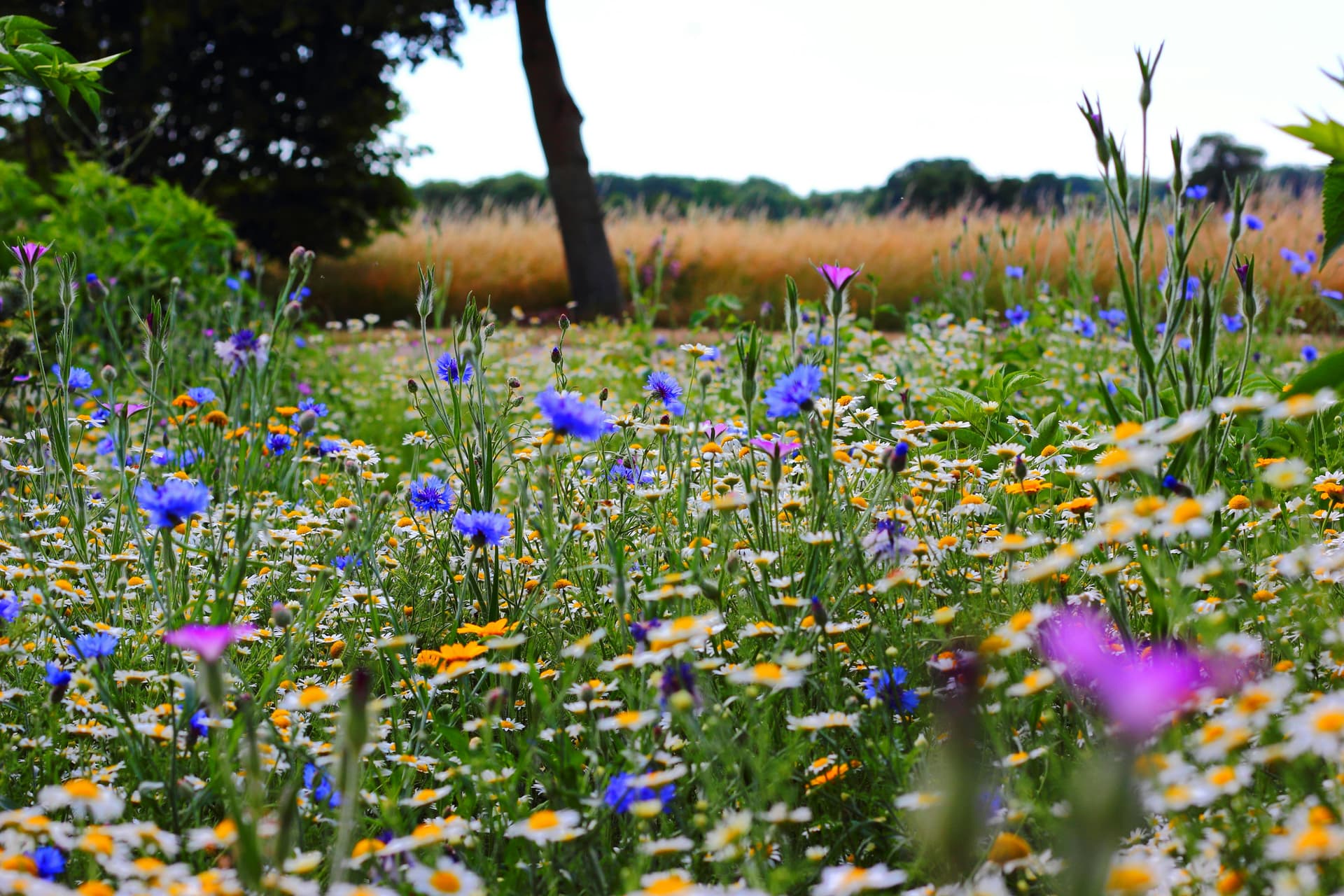
If flower names lean feminine, tree names offer something earthier and more grounded, though that's changing as more girls receive names like Oak and Cedar.
Ten years ago, Willow was interesting but uncommon. Then Willow Smith (daughter of Will and Jada) grew up in the public eye, coinciding with parents' growing appetite for nature names that weren't flowers. Today it consistently ranks in the top 50 for girls across English-speaking countries.
What makes it work? The graceful imagery (weeping willows, flexibility, resilience), the lovely sound, and the willow tree's actual symbolism across cultures. In Chinese tradition, willows represent strength through flexibility. In Celtic lore, they're connected to the moon and intuition. The name carries weight without feeling heavy.
Rowan manages something rare: it works equally well for boys and girls without feeling deliberately androgynous. The Scottish/Irish origins help: derived from ruadhán, meaning "little red one," it references both the rowan tree's red berries and red hair.
American parents use it slightly more often for boys, while UK parents lean toward girls. Either way, it's established enough that your child won't spend their life explaining it, but uncommon enough to feel distinctive. The rowan tree's protective symbolism in Celtic tradition adds depth that appeals to parents with Scottish or Irish heritage.
Hazel benefits from being both a tree (the hazelnut) and an eye color, giving it dual meaning. It peaked in the 1920s, vanished utterly by the 1970s, and came roaring back around 2010. Today's parents choose it for its vintage sweetness without the fussiness of names like Prudence or Mildred.
Ivy follows a similar pattern (old name, modern revival) but with sharper edges. The climbing plant's determinedgrowth gives it symbolism that appeals to parents who want their daughters to be strong as well as graceful. Blue Ivy Carter (Beyoncé and Jay-Z's daughter) certainly didn't hurt its visibility, though it was rising before her birth.
Juniper splits opinion. Some parents love its quirky charm and the built-in nickname potential (June, Junie). Others find it tries too hard to be unique. The gin connection bothers some people and amuses others. If you love it, own it, but know that it reads as very contemporary (some might say trendy), unlike Hazel's genuine vintage credentials.
Tree names for boys remain less common than their floral or celestial counterparts, which makes options like Oak, Cedar, and Maple genuinely distinctive.
Oak and Cedar carry obvious strength symbolism. They're short, solid, slightly rugged: think flannel shirts and weekend carpentry. They work beautifully as middle names for parents who want nature connections without the full commitment of a nature first name.
Maple leans feminine despite being a tree rather than a flower. The Canadian associations and the sweetness of maple syrup give it a gentler quality than Oak or Cedar. It's rare enough that your daughter likely won't meet another Maple, but recognizable enough that teachers won't stumble over it.
Sage deserves special mention for achieving true gender neutrality. The herb provides the nature connection, and the word's meaning (wisdom, discernment) adds depth. It works for any child and ages remarkably well: you can picture a baby Sage, a teacher Sage, a CEO Sage.
The only downside: it's becoming common enough that its uniqueness factor is fading. Not Emma-level common, but no longer the unusual choice it was five years ago.

Names inspired by stars, moons, and heavens have moved decisively into the mainstream. Luna alone appears in the top 20 for girls in multiple English-speaking countries, remarkable for awhat was, just 20 years ago, considered quite unusual.
Luna succeeds because it checks every box modern parents want: Nature connection (the moon), multicultural appeal (works in Spanish, Italian, and English), easy pronunciation, lovely sound, and rich symbolism across traditions. Roman mythology, Harry Potter, and various celebrity babies have all boosted its visibility.
The downside is ubiquity. In some urban areas, daycares might have three or four Lunas. If that concerns you, consider it primarily as a middle name. It pairs beautifully with almost anything.
Aurora carries more drama than Luna. The name of the northern lights (aurora borealis) and Sleeping Beauty gives it theatrical flair that some parents love and others find excessive. The Latin meaning (dawn) adds to the new-beginning symbolism that appeals to expectant parents.
Most Auroras go by "Rory" or "Aura" in daily life, which makes the name more wearable. But if you dislike the idea of your child's formal name being abbreviated into something entirely different, that's worth considering.
For parents who want celestial connection without the full cosmic commitment, Stella hits a sweet spot. It means "star" in Latin, but it's been used as a given name for centuries, long enough to feel classic rather than trendy.
Stella McCartney (fashion designer) and Tennessee Williams's A Streetcar Named Desire keep it in cultural consciousness. It's popular but not overwhelming, pretty but not precious, and ages beautifully from childhood through adulthood.
Nova appeals to parents who want something that sounds modern without being invented. It's an astronomical term (a star that suddenly increases in brightness), which gives it scientific legitimacy alongside its obvious meaning: "new."
Orion works for boys who'll outgrow cuteness. The hunter constellation carries mythological weight, and the name itself sounds strong without being aggressive. Be prepared for pronunciation variations: some people emphasize the first syllable (OR-ee-on), others the second (oh-RY-on).
Atlas has surged recently, riding the wave of bold mythological names. The titan condemned to hold up the sky carries obvious strength symbolism, though some parents worry whether it sets expectations too high. (Will little Atlas feel burdened by his powerful name?) If you love it, pair it with a gentler middle name for balance.
Sky (or Skye, after the Scottish island) works because it's straightforward. No complicated meaning to explain, no cultural baggage,just the limitless sky above. It's genuinely unisex, sounds peaceful rather than dramatic, and pairs well with longer surnames.
The main critique: it might feel slight compared to more substantial names. Some people love that simplicity, while others want something with more heft.
Nature names extend beyond plants and stars into water, weather, and the animal kingdom, though with varying degrees of mainstream acceptance.
River represents one of the most successful nature names of the past decade. It works for boys (slightly more common) and girls (increasingly popular), sounds modern without being trendy, and carries beautiful symbolism about life's journey and adaptability.
River Phoenix (the actor who died tragically young in 1993) keeps the name in cultural memory. Today's parents choose it for the natural imagery rather than the celebrity connection. It pairs particularly well with traditional middle names, such as River James or River Grace, which ground its flowing quality with something solid.
Ocean appeals to families with coastal connections, but it faces pronunciation questions (O-shun or Oh-see-an?) and potential teasing ("Ocean? Like the water?"). The French variation Océane solves some of these issues while creating new ones for English speakers.
Brook (or Brooke for girls) has become so common it barely registers as a nature name anymore. That familiarity works in its favor: no one questions whether a little Brooke will outgrow her name.
Lake remains unusual enough to feel distinctive. It's calm and serene, though some parents worry it sounds incomplete, like a truncated surname.
Phoenix occupies unique territory as a mythological bird rather than a real animal. The resurrection symbolism is powerful, appealing to parents who've overcome difficulties or want their child to embody resilience.
It's genuinely unisex, sounds dramatic without being silly, and offers the nickname "Nix" for daily use. The challenge: it's distinctive enough that teachers will remember a Phoenix, which means the pressure to live up to the name's powerful symbolism.
Wren has grown remarkably fast among nature names. The tiny songbird provides sweetdelicate imagery, and the name itself is short and strong, an appealing combination. It works primarily for girls, though some boys carry it successfully.
Lark offers similar songbird appeal but remains much less common. If you want a bird name that won't be duplicated in your child's class, Lark delivers, though its rarity means occasional confusion ("Clark?" "No, Lark.").
Dove carries peace symbolism that appeals to some parents and feels overly symbolic to others. It's undeniably pretty, but whether it ages well depends largely on the individual child's personality.
Bear and Fox represent the frontier of nature names: bold choices that some celebrate and others question. Bear has more traction, partly thanks to Bear Grylls (the adventurer, born Edward), and works particularly well as a nickname or middle name.
Fox tends to work better in the middle spot too. As a first name, it risks sounding try-hard or overly cute. But Fox James or Oliver Fox? That works.
Both names share a challenge: they're accepted in the United States and UK but remain very unusual in most other English-speaking countries. If your child will move between cultures frequently, that's worth considering.

Some nature categories work better as occasional choices rather than major trends.
Summer, Autumn, and Winter each carry obvious seasonal associations. Summer reads cheerful and warm. Autumn (or Fall) feels contemplative. Winter carries crystalline beauty. All three work primarily for girls, though that's cultural convention rather than inherent limitation. The challenge: your child bears their season name year-round, not just during the relevant months.
April occupies a middle ground: it's a month name, but it's been used as a given name long enough to feel established. It sounds fresh without being trendy, though it works primarily for spring babies (giving your December daughter a spring name feels odd to many parents).
Storm appeals to parents who want something powerful without going full Bear or Wolf. It works for any gender, sounds undeniably strong, and offers symbolism around intensity and natural force. The downside: some people find it too intense or worry about nominal determinism (will little Storm be tempestuous?).
Precious stone names have existed for over a century, which gives them vintage credibility.
Ruby combines bright color with precious value. It peaked in the 1920s, faded almost completely, then returned around 2010. Today's Ruby inherits genuine vintage credentials: your daughter shares her name with great-great-grandmothers, not just current trend followers.
Pearl faces more resistance than Ruby, probably because it peaked earlier (think 1880s-1900s) and sounds more antiquated to modern ears. Some parents love exactly that quality. Others find it too old-fashioned to resurrect comfortably.
Jade works differently because it reads genuinely multicultural: the green stone carries significance in Chinese culture, giving the name legitimate depth beyond its English etymology. It's been consistently used since the 1970s without becoming overwhelming, making it a safe choice for parents who want something established but not common.
Amber peaked in the 1980s-90s and now feels dated to many parents. It's warm and pleasant, but carries strong generational associations that make it feel less timeless than Ruby or Jade.
Choosing a natural baby name that matches your aesthetic preferences:
Willow, Iris, Lark, Wren, Violet, Dove, Rain, Pearl
These botanical baby names offer gentle sounds and graceful associations.
Oak, Cedar, Atlas, River, Bear, Stone, Fox, Rowan
Earth-inspired names with powerful, grounded qualities.
Luna, Nova, Aurora, Celeste, Sky, Orion, Stella
Celestial names that evoke wonder and limitless potential.
Rose, Lily, Hazel, Ivy, Jasmine, Daisy, Ruby, Pearl
Traditional nature names for girls that have proven their staying power across generations.
Nature-inspired names have shown consistent growth in official naming statistics:
In the United States:
In the United Kingdom:
In Australia:
These patterns reflect broader trends toward meaningful, earth-connected baby names across English-speaking countries.
Some nature-inspired names work differently across cultures:
Names like Bear, Fox, or Storm are accepted as given names in the United States but remain very unusual in France and many European countries. Similarly, some botanical baby names may have stronger traditions in certain regions. Poppy is notably popular in the UK due to its association with Remembrance Day, while Maple carries Canadian cultural significance.
When choosing a natural baby name for an international family, consider how the name functions across the languages and cultures your child will encounter.
Practical considerations when selecting an earth-inspired name:
Sound and Flow: Test the full name (first + middle + last) aloud. Check for awkward repetitions or rhymes.
Check Meanings: Research the symbolism and origins. Ensure the associations align with your values.
Consider Practical Use: Think about how the name works in both childhood and adulthood. Most nature names age well: Luna works for both a child and a professional adult.
Evaluate Nicknames: Consider potential shortenings. Aurora becomes Rory, Juniper becomes June. Are you comfortable with these variations?
Cultural Respect: Some names have deep cultural significance. Research the origins and ensure you're honoring rather than appropriating.
Popularity Levels: Decide your comfort with name frequency. Luna appears thousands of times annually, while Lark remains rare. Both have advantages.
Family Cohesion: Consider how the name fits with existing family names and potential future siblings.
Rather than offering vague claims about "rising trends," let's look at what official statistics reveal:
In the United States: Luna consistently ranks in the top 15 for girls. Willow, Ivy, and Hazel all appear in the top 50. River has climbed steadily for both boys and girls over the past decade.
In the United Kingdom: Willow and Poppy perform particularly well, both ranking in the top 50 for girls. Ivy remains popular, and nature names generally show stronger performance than in the US.
In Australia: Luna ranks even higher than in the US or UK, frequently appearing in the top 10. Aurora, Willow, and Ivy all show strong and sustained usage.
In Canada: Similar patterns to the US, with Maple occasionally appearing (unsurprisingly given national symbol status), though it remains quite rare even there.
The overarching pattern: soft botanical names (Willow, Ivy, Hazel) and celestial choices (Luna, Aurora, Stella) have moved decisively mainstream. Bolder options (Bear, Fox, Storm) remain genuinely unusual. Water names occupy middle ground: River has become established, while Ocean and Lake remain outliers.
Most baby name articles skip the hard part: how do you move from liking several names to choosing the name? Here's what experienced parents suggest:
Live with it for a week. Use the name in conversation. "Time to feed River." "Hazel needs a diaper change." Does it feel natural or forced? Does the novelty wear off pleasantly or reveal awkwardness?
Test the full name aloud. Not just first name, but first-middle-last. Then first-last. Listen for awkward rhythms, rhymes, or unintentional phrases. River Rose sounds lovely, but River Mason creates an accidental word ("River may son").
Consider the sibling set. If you have other children, how does the new name fit? Harper, Hazel, and Thor sound mismatched. Harper, Hazel, and Willow create cohesion. Neither approach is wrong, but recognize the choice you're making.
Think about the child's possible interests. A programmer named Sage? A rough-and-tumble athlete named Dahlia? Both absolutely fine. People grow into all sorts of names. But if you strongly envision your child in a particular direction, test whether the name feels compatible or whether you're setting up tension.
Check international considerations. If your family moves between countries or cultures, how does the name translate? Luna works everywhere. Bear reads very American. Poppy has specific British associations.
Actually Google the full name. You're not the first person to think of unusual combinations. Make sure River Jordan doesn't create an accidentally religious reference, or Phoenix Wright doesn't share a name with a video game character (unless you're fine with that).
One thing lists rarely mention: nature names carry different weight in different places, even among English speakers.
Names like Bear, Fox, and Wolf are increasingly accepted in the United States and parts of Canada. In the UK, Australia, and New Zealand, they remain quite unusual and might raise eyebrows. Not wrong, not forbidden, just culturally marked as "very American."
Poppy works oppositely. It's thoroughly mainstream in the UK (top 20) partly because of its remembrance symbolism. In North America, it registers as pretty but slightly quirky: pleasant but not culturally loaded.
The Antipodean countries (Australia and New Zealand) embrace botanical names enthusiastically. Names that might feel slightly bold in the US or UK often appear thoroughly mainstream there.
If you're choosing a nature name for a child who'll grow up in multiple English-speaking contexts, that's worth considering. Luna, Rose, Lily, Willow: these travel beautifully. Bear and Moss... less so.
Theory matters less than reality. Here are a few nature names worn by real people in various fields, demonstrating how well these names age:
What connects these examples? None required a "serious" professional name substitution. A nature name didn't limit their careers or create awkward professional moments. Lily works for an actress. Storm works for a public figure. River worked for a serious dramatic actor.
That's the real test: can you picture the name on a business card, a diploma, a nametag? For most botanical names and many celestial ones, the answer is yes.
Luna dominates current statistics, consistently ranking in the top 15-20 for girls across English-speaking countries. Willow, Ivy, and Hazel all appear in top 50 lists. River has gained substantial ground for both boys and girls. Aurora shows strong performance, particularly in Australia.
These aren't obscure choices anymore. They're genuinely mainstream names that happen to reference nature rather than saints, royalty, or virtue concepts.
Some are genuinely unisex (River, Sage, Phoenix, Rowan), working equally well regardless of gender. Others lean heavily toward one gender through cultural association (Lily and Rose read female, while Oak and Cedar read male), though there's no inherent reason they must.
The real question isn't "is it suitable" but "are you comfortable bucking convention?" Naming your daughter Oak is linguistically fine and botanically valid. It's also unusual enough that she'll explain it regularly. If that trade-off appeals to you, the name works.
Yes, though whether that matters depends on your perspective. Oak represents strength and longevity. Willows symbolize grace and adaptability. Phoenixes embody resurrection and resilience. These aren't invented meanings. They're associations built up over centuries across multiple cultures.
That said, most people will simply think "that's a pretty tree name" rather than contemplating deep symbolism. The meaning matters most to the parents choosing the name and,potentially, to the child later exploring their name's origins.
Depends entirely on the name. Rose, Lily, Hazel, Ivy: these read as completely conventional professional names because they've been used for generations. Luna and Willow are new enough to register as modern but common enough to seem normal. River sits on the edge of convention, increasingly accepted but still distinctive.
Bear and Fox? Those remain bold choices that will stand out in professional contexts. Not wrong, not career-limiting, but definitely memorable.
Start by narrowing categories: do you gravitate toward flowers, trees, animals, or celestial options? Then test the finalists by actually using them for a week. Talk to your dog using the name. Order coffee with the name. See how it feels in your mouth and how people respond.
Check the full name (first-middle-last) for awkward combinations or unintended meanings. Consider your family's cultural background and where your child will likely grow up. And honestly assess your comfort with attention, since unusual names attract comments, positive and negative.
The right name feels natural in conversation, ages well from infancy through adulthood, and carries meaning that resonates with your family values. Everything else is negotiable.

Nature names work because they connect children to something real and enduring. Unlike invented names or creative spellings, they reference actual flowers, trees, celestial bodies, and natural phenomena that have existed for millennia and will exist for millennia more.
That grounding matters to many modern parents who want substance behind the sound, meaning beyond the aesthetic. Rose isn't just pretty syllables. It's an actual flower with centuries of cultural significance. Luna isn't merely trendy. It's the moon that's hung in the sky throughout human history.
But (and this matters just as much) these names also have to function in daily life. They need to work on business cards and diplomas, in professional settings and social contexts, from childhood through old age. Most botanical and celestial names pass that test easily. Well-established flower names, tree options like Willow and Rowan, and celestial choices like Luna and Stella navigate contemporary life without generating constant questions or corrections.
The bolder animal names (Bear, Fox, Wolf) and some water names (Ocean, Storm) require more confidence. They're not wrong, but they do make statements. If you love them enough to field the inevitable comments, they can work beautifully. If you're uncertain, consider using them in the middle spot: powerful association without the daily visibility.
Ultimately, choosing a nature-inspired name means prioritizing meaning and connection over trend or tradition. It means valuing substance and accepting the occasional question about pronunciation or origin. For many families, that trade-off feels completely right.
Whether you choose a classic like Rose, a contemporary favorite like Luna, or a genuinely unusual option like Lark, you're giving your child a name that connects them to the natural world, and that's no small gift.
Now that you've explored these beautiful nature-inspired options, use our intelligent tool to discover even more names that perfectly match your criteria. Filter by origin, meaning, popularity, and how they sound with your last name.
Gemstone baby names for girls and boys, from Ruby and Opal to Jasper and Onyx. Discover birthstone names for every month and jewel names from around the world.

Italian baby names for girls and boys with meaning and pronunciation. From Giulia and Chiara to Luca and Lorenzo, discover popular and unique Italian picks.
Irish and Celtic baby names for girls and boys with easy pronunciation and meaning, from Saoirse and Niamh to Oisín and Tadhg, plus Scottish and Welsh picks.